Common Myths About BOPP Plastic Packaging Debunked


Understanding BOPP Plastic Packaging
Biaxially Oriented Polypropylene (BOPP) plastic packaging is a popular choice in various industries due to its versatility and durability. However, several myths about BOPP packaging persist, leading to misunderstandings. This blog post aims to debunk these myths and provide clarity on the subject.
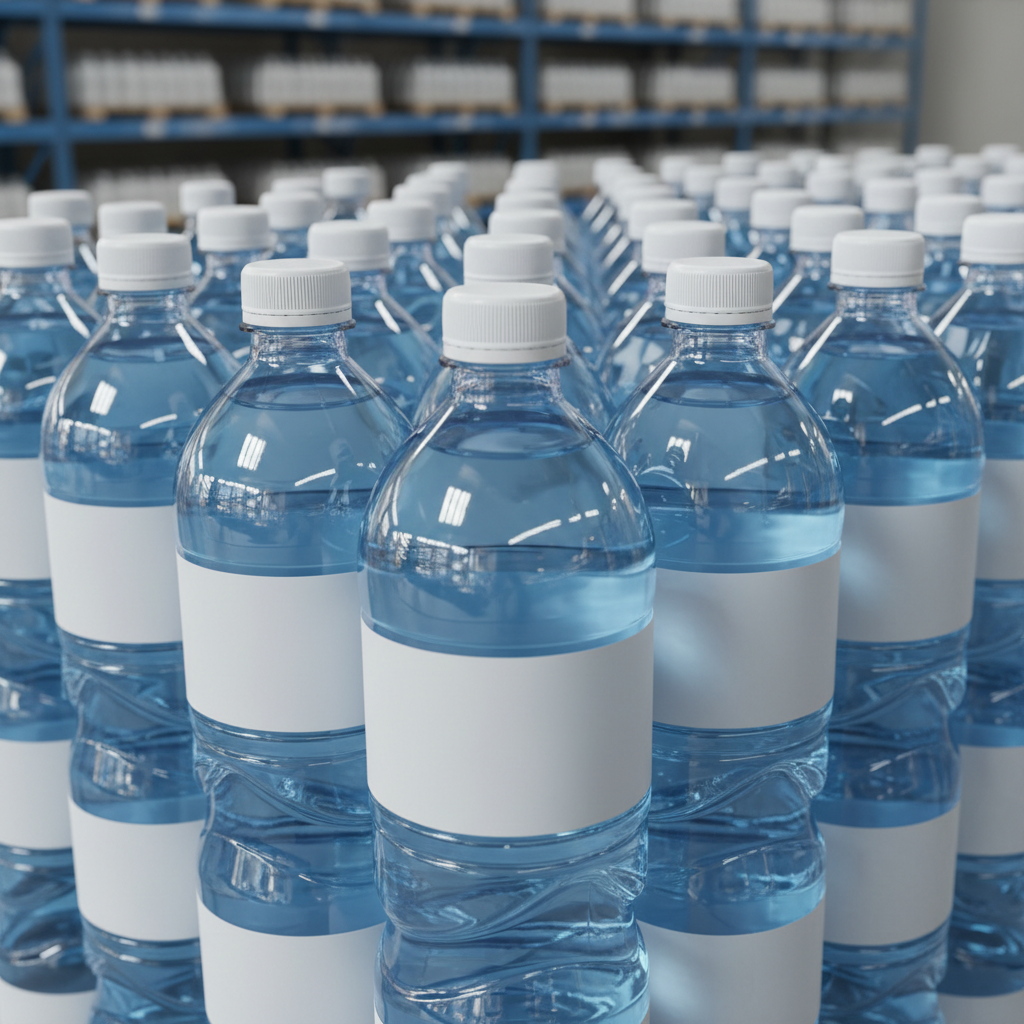
Myth 1: BOPP Is Not Environmentally Friendly
One common misconception is that BOPP plastic is not environmentally friendly. In reality, BOPP is recyclable and has a lower carbon footprint compared to many other packaging materials. Its lightweight nature means less energy is required for transportation, further reducing environmental impact.
Moreover, advancements in recycling technology have made it easier to process BOPP materials, contributing positively to sustainability efforts. Understanding these factors helps dismantle the myth of BOPP's environmental unfriendliness.
Myth 2: BOPP Packaging Is Not Durable
Another myth suggests that BOPP packaging lacks durability. On the contrary, BOPP is known for its strength and resistance to moisture, oils, and chemicals. This makes it an ideal choice for packaging various products, from snacks to pharmaceuticals.
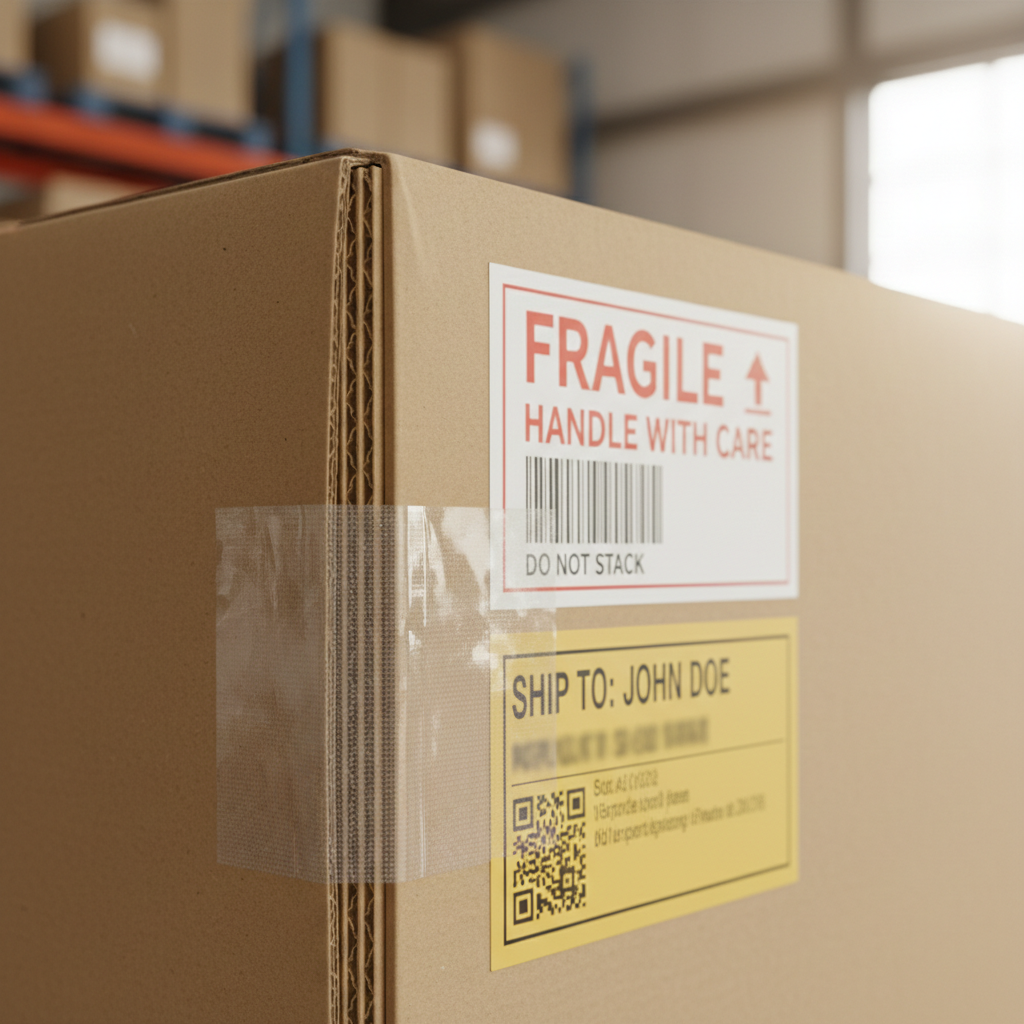
Its biaxial orientation process enhances its toughness, making it less prone to tearing. This durability ensures products remain protected throughout the supply chain, maintaining their quality until they reach the consumer.
Myth 3: BOPP Is Expensive
Some believe BOPP packaging is costly, but when examining its overall benefits, it becomes clear that it offers excellent value. Its durability reduces the need for additional protective materials, and its lightweight nature lowers shipping costs.
Additionally, BOPP's long shelf-life and adaptability for branding and printing can enhance product appeal, potentially boosting sales. Thus, the initial investment in BOPP packaging can lead to long-term savings and profitability.
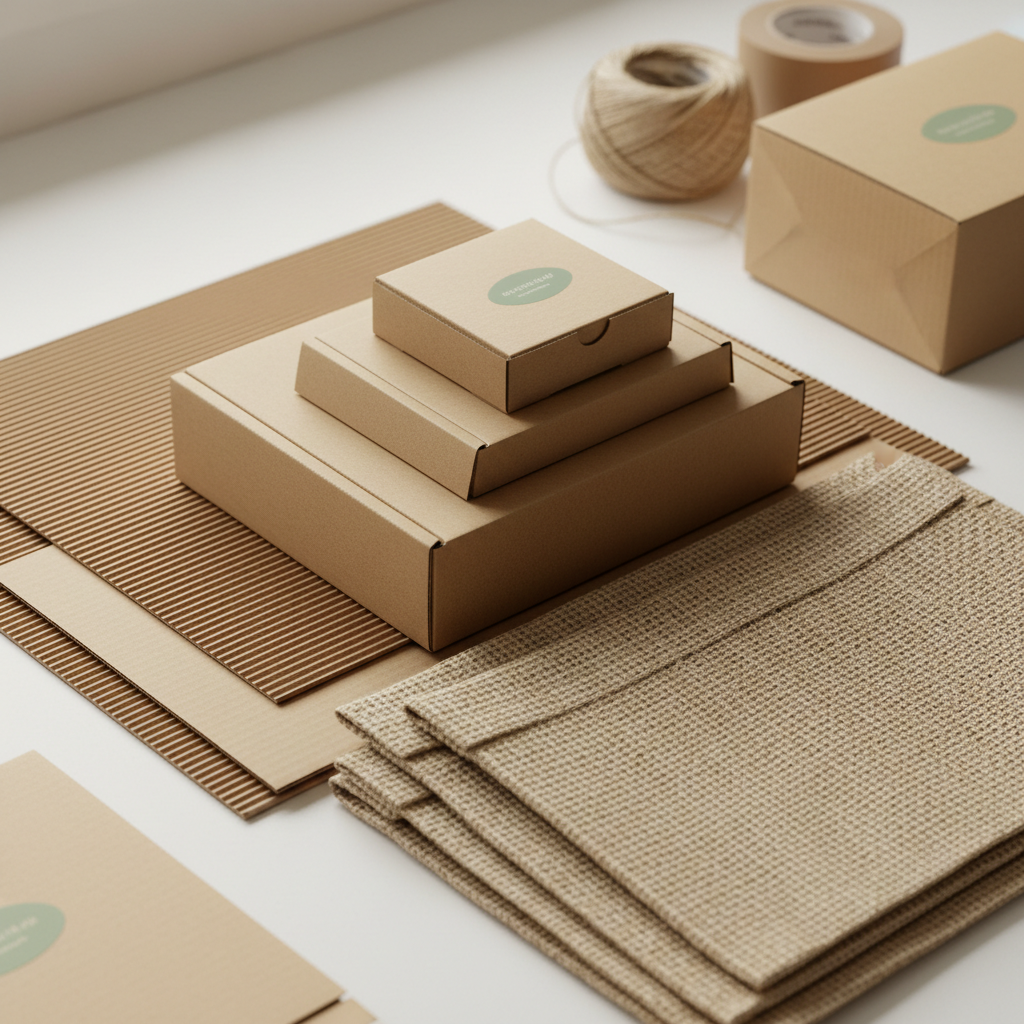
Myth 4: BOPP Is Limited in Its Applications
Many assume BOPP is only suitable for specific industries. However, its applications are vast and varied. BOPP can be used in food packaging, labels, stationery, and even in the textile industry. Its clarity, gloss, and superior printability make it a preferred choice across different sectors.
The misconception of limited applicability often arises from a lack of awareness about its versatility. Exploring its wide range of uses can help businesses discover innovative packaging solutions.
Conclusion
Debunking these myths about BOPP plastic packaging highlights its many advantages. By understanding the truth behind these misconceptions, businesses can make informed decisions about their packaging needs. BOPP offers a sustainable, durable, cost-effective, and versatile solution, making it a valuable asset in modern packaging strategies.