Comparing BOPP Plastic to Other Packaging Materials: What’s Best for Your Needs?


Understanding BOPP Plastic
Biaxially Oriented Polypropylene (BOPP) plastic has become a popular choice in the packaging industry due to its versatility and durability. This material is known for its excellent clarity, tensile strength, and barrier properties. BOPP films are commonly used in food packaging, labeling, and gift wrapping. But how does it compare to other packaging materials?
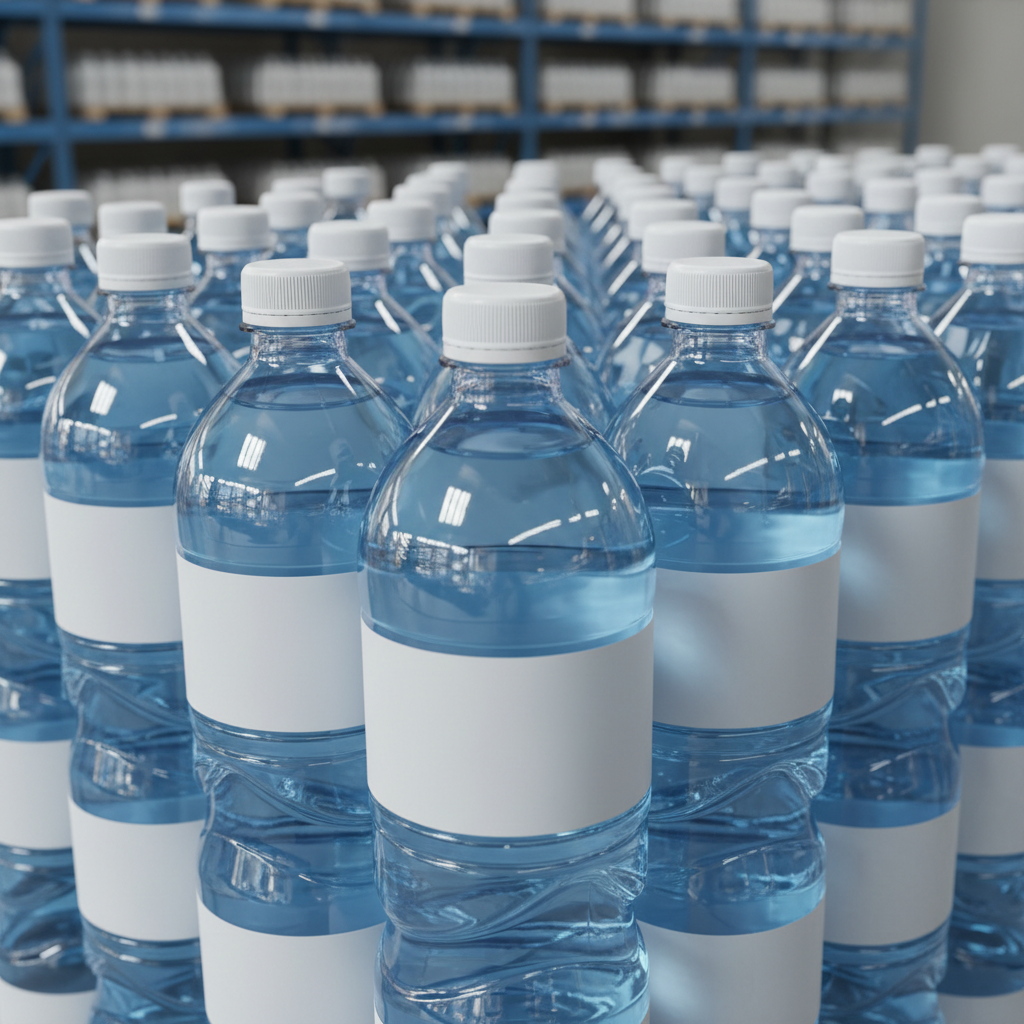
Comparing BOPP to Traditional Plastics
Traditional plastics, such as PVC and PET, have been staples in packaging for years. However, BOPP offers certain advantages over these materials. BOPP is more environmentally friendly as it is fully recyclable and requires less energy to produce. Additionally, BOPP films are often lighter, reducing shipping costs and carbon footprint.
While PVC offers superior resistance to oils and chemicals, BOPP excels in its clarity and gloss, making it ideal for retail packaging where product visibility is crucial. PET, on the other hand, is more rigid, which can be a disadvantage in applications where flexibility is needed.
Cost Considerations
When it comes to cost, BOPP can be a more economical choice. Its lower density means that less material is needed for the same surface area, reducing overall costs. Moreover, the production process of BOPP is often more cost-effective compared to other plastics.
BOPP vs. Paper Packaging
Paper packaging is often lauded for its eco-friendliness. However, BOPP offers superior moisture resistance, making it a better option for products that require a longer shelf life. Paper can be more susceptible to tearing and damage, especially in humid conditions, whereas BOPP maintains its integrity.
On the sustainability front, BOPP's recyclability is a significant advantage, although it does rely on proper recycling infrastructure to be effective. Paper, being biodegradable, is often preferred for its natural decomposition, but it lacks the durability that BOPP provides.
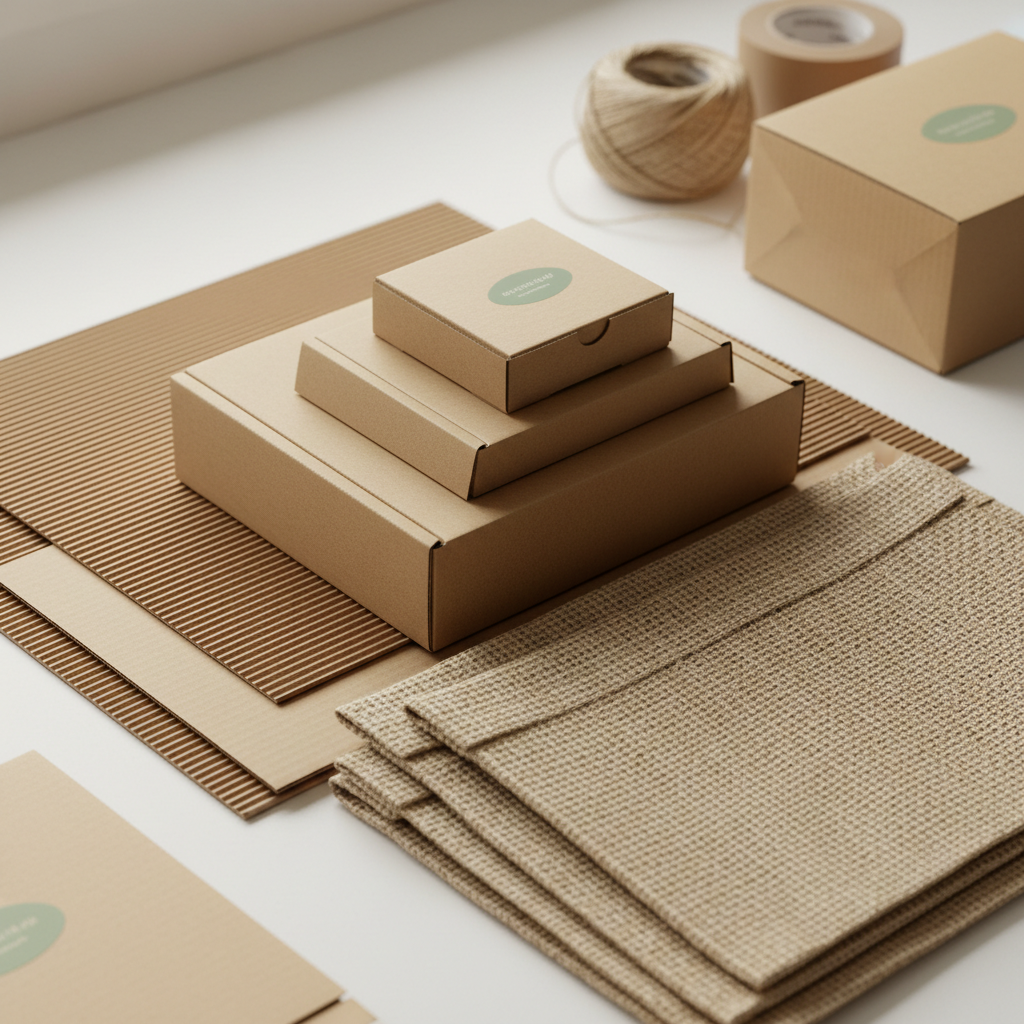
Environmental Impact
One of the primary concerns in packaging is the environmental impact. BOPP is considered a more sustainable plastic option because it is non-toxic and can be recycled. The production process results in fewer emissions compared to some other plastics, making it a more eco-conscious choice.
However, the availability of recycling facilities and the end-of-life management of BOPP remain challenges. It is essential for companies to consider the entire lifecycle of the packaging material and take steps towards supporting recycling programs.
Choosing the Right Material
Selecting the right packaging material depends on various factors, such as the product type, environmental impact, and budget constraints. BOPP stands out in many categories, especially for applications requiring clarity, strength, and moisture resistance. Its cost-effectiveness and recyclability make it a compelling choice for many businesses.
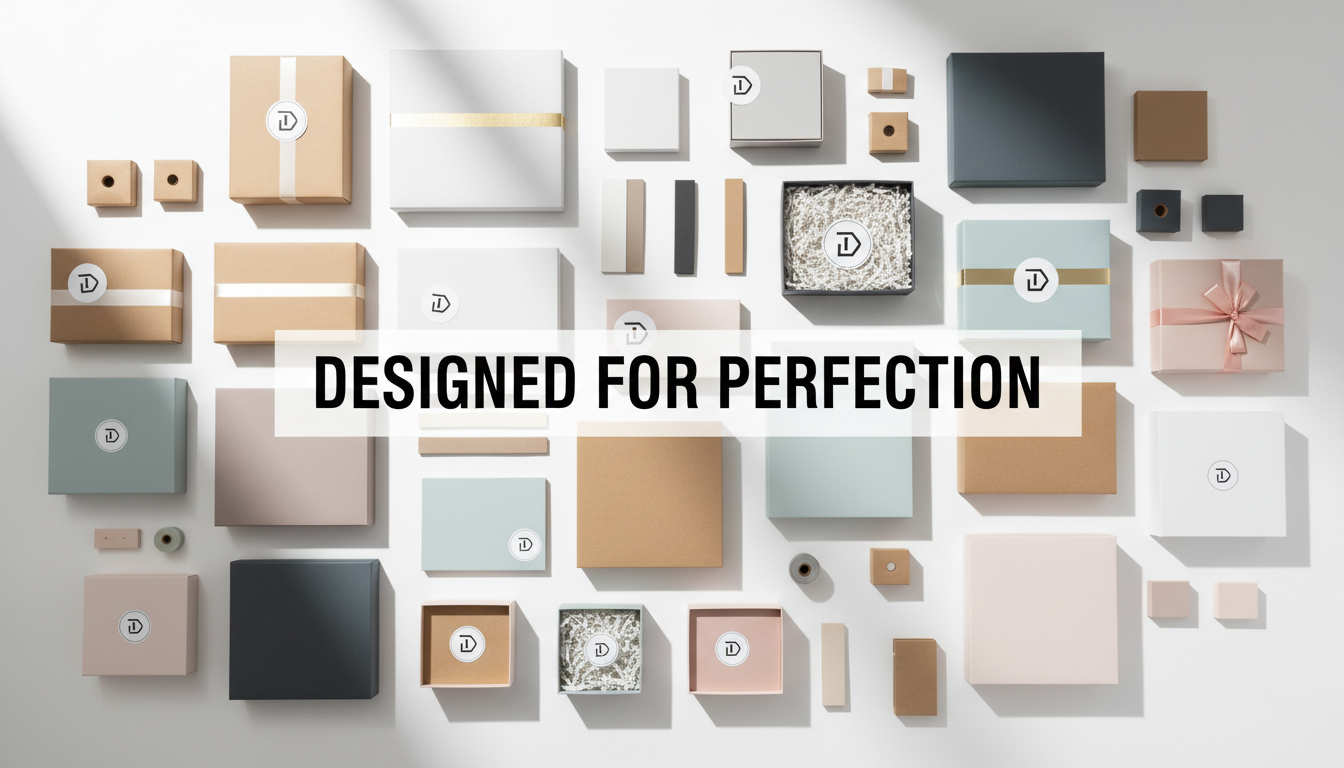
Ultimately, the decision should be guided by the specific needs of your product and the values of your brand. Whether you opt for BOPP, traditional plastics, or paper, understanding the benefits and limitations of each material will help you make an informed decision.