Debunking Myths: The Truth About BOPP Plastic and Environmental Impact


Understanding BOPP Plastic
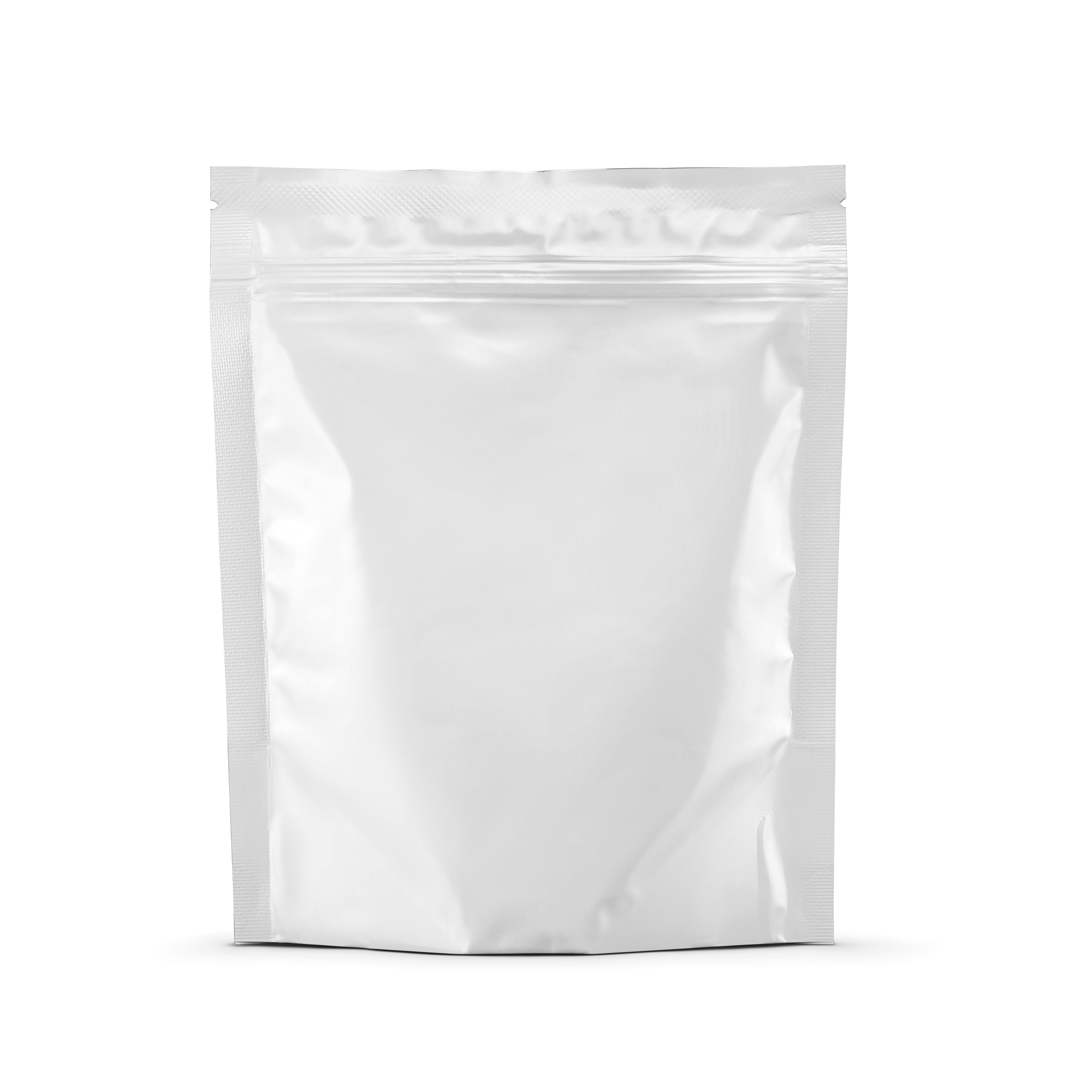
When it comes to packaging materials, BOPP (Biaxially Oriented Polypropylene) plastic is a popular choice due to its versatility and durability. However, there are several myths surrounding its environmental impact that often cause confusion. In this article, we aim to debunk these myths and present a clearer picture of BOPP plastic's role in sustainability.
Myth 1: BOPP Plastic Is Not Recyclable
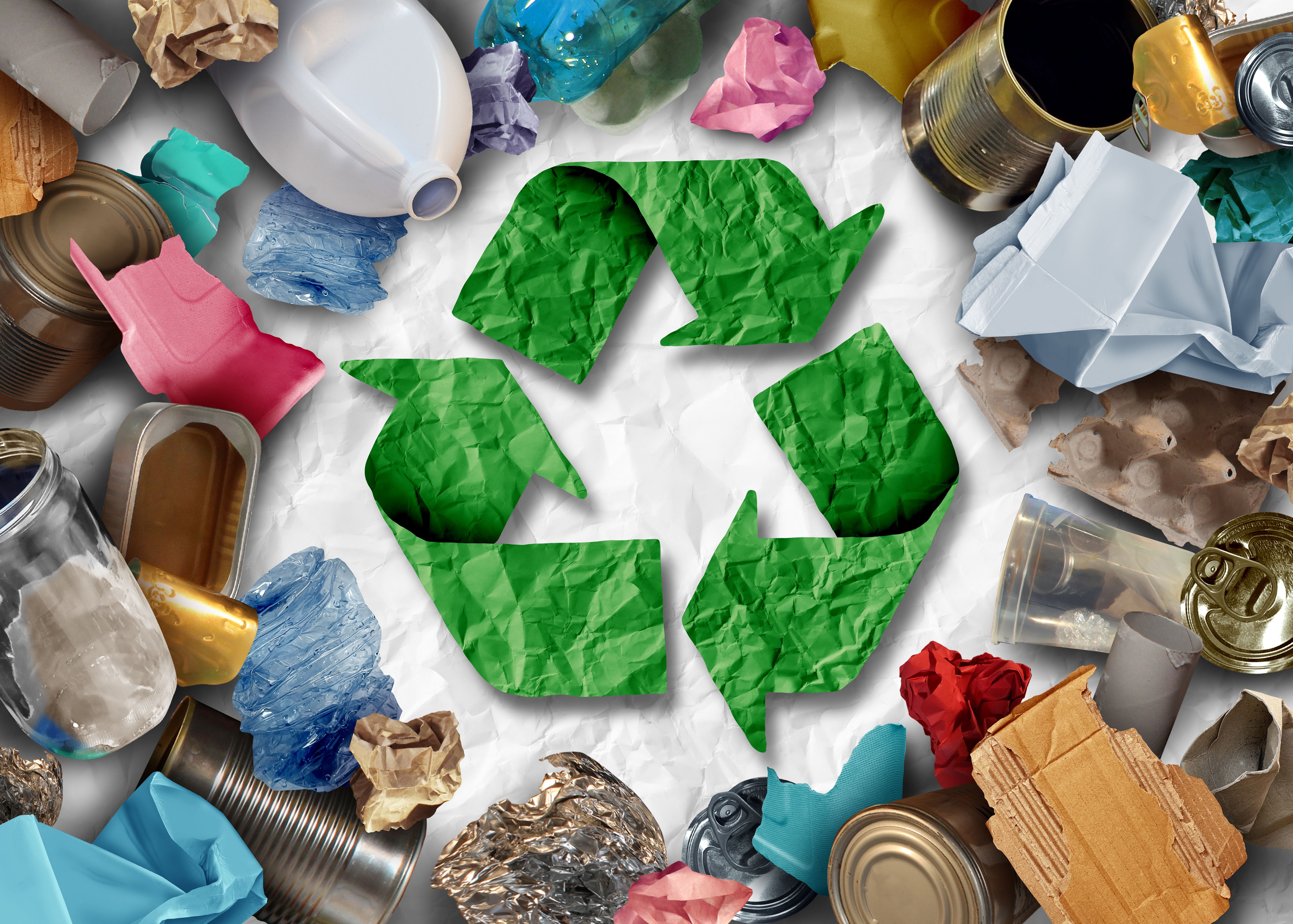
A common misconception is that BOPP plastic is not recyclable. In reality, BOPP is indeed recyclable and can be reprocessed into new products. Many recycling facilities are capable of handling BOPP, turning it into pellets that can be used to manufacture items like containers and automotive parts. This process not only reduces waste but also conserves resources.
Myth 2: BOPP Contributes to Landfill Overflow
Another myth suggests that BOPP plastic products inevitably end up in landfills. While improper disposal can lead to this outcome, responsible waste management and recycling practices significantly mitigate this issue. By promoting effective recycling programs and consumer awareness, the environmental impact of BOPP can be greatly reduced.
The Environmental Benefits of BOPP
Despite the misconceptions, BOPP offers several environmental advantages. Its lightweight nature means that less material is used, reducing the carbon footprint associated with transportation. Additionally, BOPP's durability extends the lifespan of products, minimizing the need for frequent replacements and further reducing waste.
Energy Efficiency in Production
Producing BOPP plastic requires less energy compared to other materials, making it a more sustainable option. The manufacturing process of BOPP is designed to be efficient, utilizing advanced technology to minimize energy consumption and emissions. This efficiency contributes to a lower environmental impact overall.
Addressing the Concerns
While BOPP plastic has its challenges, addressing these concerns with informed decisions can lead to positive outcomes. Collaboration between manufacturers, consumers, and policymakers is crucial in developing solutions that enhance recycling programs and reduce the environmental footprint of BOPP products.
Innovative Solutions and Future Prospects
The future of BOPP plastic is promising, with ongoing innovations aimed at improving its sustainability. Research and development efforts are focused on creating biodegradable variants and enhancing recycling technologies. These advancements hold the potential to further align BOPP plastic with environmental goals.
In conclusion, while BOPP plastic is not without its critics, understanding the facts helps in making informed decisions. By debunking myths and acknowledging the potential for positive environmental impact, BOPP can continue to be a valuable material in sustainable packaging solutions.