Eco-Friendly Packaging Solutions for Books and Notebooks


Introduction to Eco-Friendly Packaging
As environmental awareness continues to grow, businesses across various industries are seeking sustainable solutions to minimize their ecological impact. In the world of publishing and stationery, eco-friendly packaging for books and notebooks is becoming a priority. By choosing sustainable materials and innovative designs, companies can significantly reduce waste and appeal to environmentally conscious consumers.
Eco-friendly packaging not only benefits the planet but also enhances a brand’s reputation. Customers increasingly prefer to support brands that demonstrate a commitment to sustainability. Let's explore some innovative solutions for eco-friendly packaging in the book and notebook industry.

Sustainable Materials for Packaging
Recycled Paper and Cardboard
One of the most straightforward ways to create eco-friendly packaging is by using recycled paper and cardboard. These materials are biodegradable and recyclable, making them an excellent choice for publishers. Recycled paper reduces the demand for virgin materials and helps cut down on deforestation.
Biodegradable and Compostable Options
Biodegradable and compostable packaging materials, such as plant-based plastics and cornstarch composites, are gaining traction. These materials break down naturally without leaving harmful residues, making them a sustainable alternative to traditional plastic packaging.

Innovative Design Solutions
Minimalist Packaging
Less is more when it comes to sustainable packaging. By adopting minimalist designs, companies can reduce material usage and waste. Simple, elegant, and functional packaging not only uses fewer resources but also appeals to consumers who appreciate a clean aesthetic.
Multi-Functional Packaging
Multi-functional packaging can serve more than one purpose, extending its life cycle. For instance, a notebook package that transforms into a bookmark or a book stand can add value while reducing waste. Such designs encourage reuse and enhance the customer experience.
The Role of Technology
Smart Packaging Solutions
Technology is playing a pivotal role in developing smart packaging solutions. QR codes and augmented reality can be integrated into packaging to provide users with additional information about the sustainability practices of the brand. This transparency builds trust and encourages responsible consumer behavior.
Efficient Supply Chains
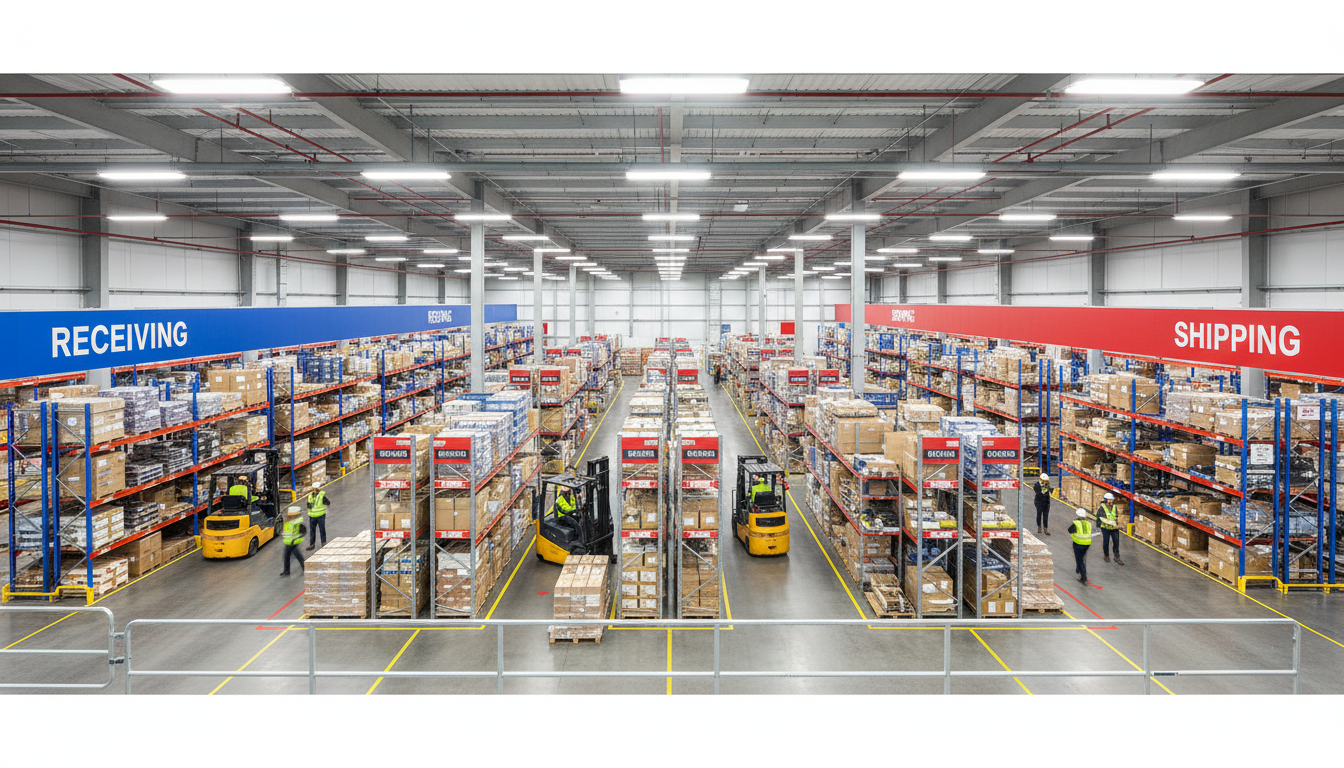
Optimizing supply chains can significantly reduce the carbon footprint associated with book and notebook packaging. By employing digital tools to streamline logistics, companies can cut down on unnecessary transportation and packaging waste.
Conclusion
Eco-friendly packaging solutions for books and notebooks offer numerous benefits, from reducing environmental impact to enhancing brand image. By adopting sustainable materials, innovative designs, and leveraging technology, companies can meet the growing demand for responsible packaging. As more businesses embrace these practices, the publishing and stationery industries can lead the way in environmental stewardship.