Eco-Friendly Packaging Solutions for Books and Stationery


Introduction to Eco-Friendly Packaging
In today's world, sustainability is more than just a trend; it's a necessity. As consumers become increasingly aware of their environmental impact, businesses are seeking out eco-friendly solutions. One such area where sustainable practices are making a difference is in the packaging of books and stationery.

The Importance of Sustainable Packaging
Traditional packaging materials often contribute to environmental degradation. By opting for eco-friendly packaging, businesses can significantly reduce their carbon footprint. This not only helps the planet but also enhances brand reputation among conscious consumers.
Benefits of Eco-Friendly Packaging
Eco-friendly packaging offers numerous benefits, including:
- Reduction in waste production.
- Lower carbon emissions during production.
- Improved brand image and customer loyalty.
Materials Used in Eco-Friendly Packaging
There are several materials that are highly effective for sustainable packaging. These include recycled paper, biodegradable plastics, and compostable materials. Each of these options offers unique benefits and plays a role in reducing environmental impact.

Recycled Paper
Recycled paper is a popular choice for book covers and stationery packaging. It uses less energy in production compared to virgin paper and helps in conserving trees and water. Recycled paper is both cost-effective and efficient.
Innovative Packaging Designs
Eco-friendly packaging is not only about materials but also about innovative designs that minimize waste. Smart packaging solutions can include adjustable sizing, reusable options, and minimalist designs that use fewer resources.
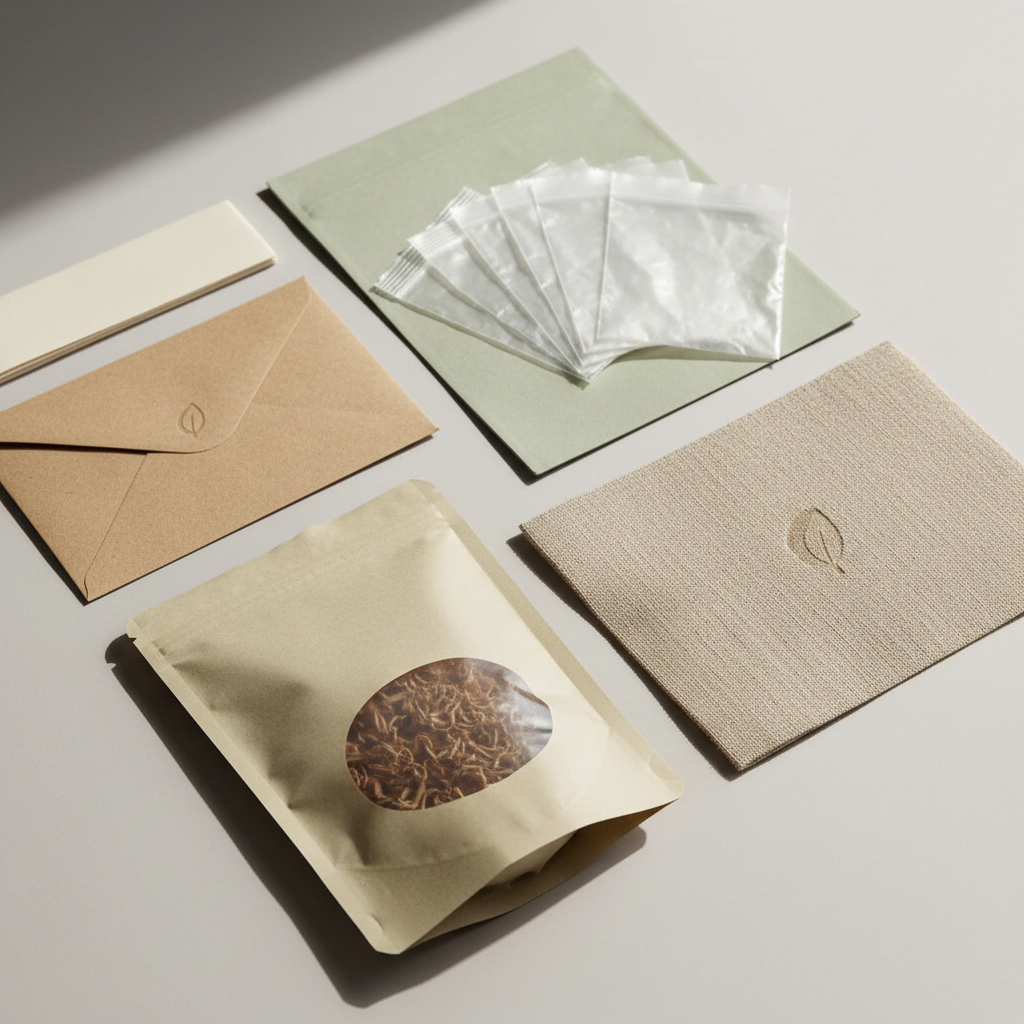
Minimalist Designs
Minimalist designs focus on using the least amount of material possible while still protecting the product. This approach reduces waste and often results in a more aesthetically pleasing product.
Challenges and Solutions
While eco-friendly packaging has many advantages, it also poses challenges such as higher initial costs and limited availability of materials. However, these challenges can be overcome with strategic planning and a long-term commitment to sustainability.
Overcoming Cost Barriers
Businesses can overcome cost barriers by investing in bulk purchases and collaborating with suppliers who specialize in sustainable materials. Additionally, the long-term savings from reduced waste disposal can offset initial costs.
Conclusion
Embracing eco-friendly packaging solutions for books and stationery is an essential step towards sustainability. By choosing sustainable materials and innovative designs, businesses can meet consumer demands and contribute positively to the environment. The future of packaging lies in our hands, and every small change can lead to a significant impact.